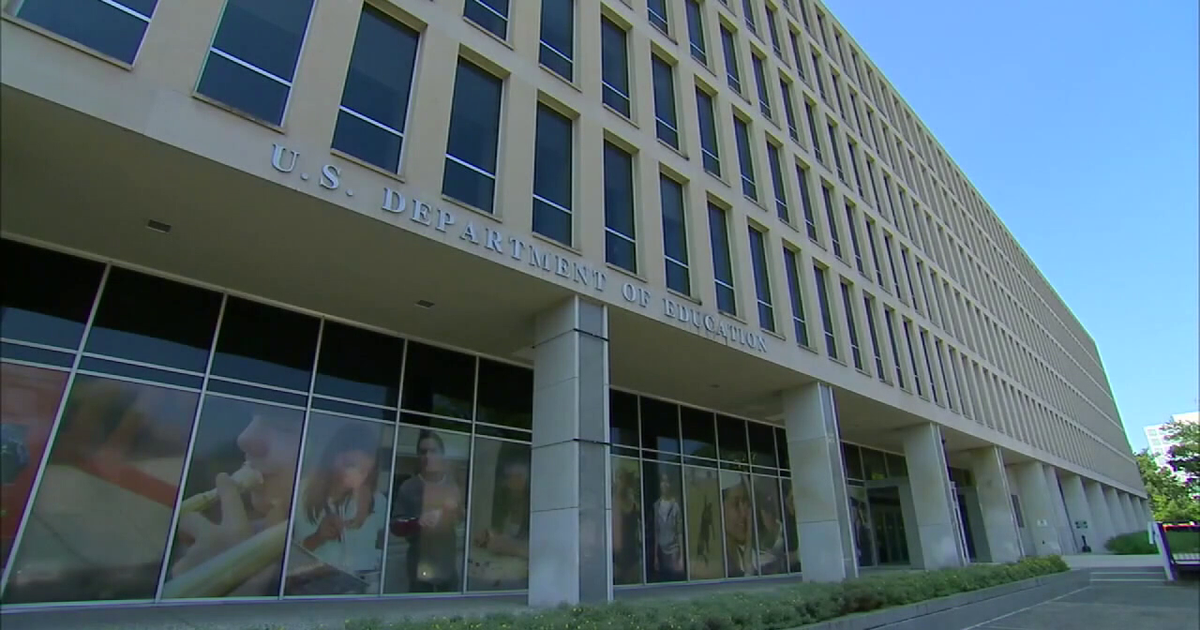
TAMPA, Fla. – A massive overhaul of the federal student loan system goes into effect Wednesday, impacting roughly 43 million Americans who collectively owe $1.7 trillion. The sweeping changes fundamentally restructure how borrowers repay their debt and place strict new limits on how much families can borrow moving forward.
Read more Taylor Swift and Travis Kelce will celebrate wedding at MSG, AP source reports
Education officials are urging all borrowers to return to active repayment, making it clear that broad student loan forgiveness is officially off the table and taxpayers will no longer foot the bill.
Federal student loan changes
What we know:
The major restructuring officially eliminates the Biden-era “SAVE” repayment program. The seven million borrowers currently enrolled in that plan now have a 90-day window to transition to a different framework.
For new student loan borrowers, the landscape of options has narrowed significantly. Moving forward, borrowers can only choose between two designated repayment structures:
- The Repayment Assistance Plan (RAP)
- The Tiered Standard Repayment Plan
While the Department of Education argues that phasing out older programs will streamline operations and make it smoother for borrowers to stay on time with their payments, experts warn the reality for many will be higher monthly bills.
To help navigate the transition, the government has introduced a “repayment calculator” on StudentAid.gov. The online application allows borrowers to answer a few quick questions, compare available options, and apply for a plan in under 10 minutes.
Graduate and professional borrowing caps
By the numbers:
The overhaul introduces unprecedented limits on higher education funding, changing a system where graduate students could previously borrow up to the total cost of tuition and fees.
Under the new guidelines:
- Master’s degree students: Limited to $20,500 per year, with a lifetime cap of $100,000.
- Professional students (Law/medical): Limited to $50,000 per year, with a lifetime cap of $200,000.
- Overall graduate limit: Most graduate borrowers will face an absolute lifetime borrowing ceiling of $257,500.
Education experts warn that these tight restrictions could force some students to forgo graduate school entirely or leave their degrees incomplete due to a lack of federal funding. However, advisors emphasize that students must pivot their strategies. Experts urge students to aggressively seek out alternative, debt-free funding sources, directing applicants to platforms like ScholarshipAmerica.org to explore available aid.
Conversely, the Department of Education defends the restrictions, maintaining that the new caps will curb excessive national borrowing and force universities to lower the overall cost of higher education.
New hurdles for parents
Why you should care:
The financial structural changes extend beyond students to impact their families. The new framework places a strict $65,000 lifetime cap on Parent PLUS loans, which parents utilize to help finance undergraduate education for their children.
With the cost of college continuing to climb nationwide, analysts warn that capping parent assistance will create severe roadblocks, making it substantially more difficult for families to cover rising tuition gaps.
Read more Three brothers build booming World Cup jersey business
About the Author