TAMPA, Fla. – People across the country are remembering actress Hayden Panettiere as a pioneer in normalizing conversations surrounding postpartum depression (PPD).
Read more Publix launches 2026 limited-edition fall ice cream flavors
Hayden Panettiere postpartum depression advocacy
The backstory:
Panettiere started to speak out after the birth of her daughter in 2014. She said this led to the loss of brand partnerships harming her career.
Now, people are remembering her as a changemaker in normalizing these conversations.

“You have someone kind of like risking it all for like all of us, like, little people out here,” Krystian Mitryk, a mother who suffered from postpartum depression and anxiety, said. “And so, it’s just like big every time someone does that. And then it becomes more normal, more acceptable.”
Postpartum depression awareness effort
Local perspective:
Mitryk suffered from postpartum depression and anxiety after giving birth to both of her children. She described it as the darkest time of her life.
“I was overthinking everything. I was fearful of putting my child to sleep,” Mitryk said. “I thought that I couldn’t just take care of them throughout the day because I felt like a crazy person.”
Mitryk often suffered in silence, but family support helped her through. She said the ability to talk about these issues helped her heal.
Read more Wanted Florida man caught hiding under mattress yells for mom who tried to punch officer: WHPD
“There’s just like power in numbers. And so, when other people are like, ‘Hey, I’m going through that too,’” Mitryk said. “Or ‘Hey, this happened to me too.’ I’m like, ‘Oh, so I’m not crazy.’”
Normalizing maternal mental health
Why you should care:
Clara Reynolds, the president and CEO of the Crisis Center of Tampa Bay, said many women go through postpartum depression and anxiety.
Reynolds said Hayden Panettiere shined a light on such a dark conversation.
“When somebody as public as Hayden was in her struggle, I think she opened the door to conversations that many women were either secretly having or not having it all because they were afraid to come forward,” Reynolds said.
Reynolds said just because a mother struggles does not make them a bad mom.
“So many women feel like it’s some sort of, you know, mark against them… and it’s absolutely not,” Reynolds said.
Encouraging mothers to seek help
What you can do:
And for Mitryk, she said if she wasn’t able to shine a light on her problems, she would have been in the dark for a lot longer. Now she wants other moms to reach out for help too.
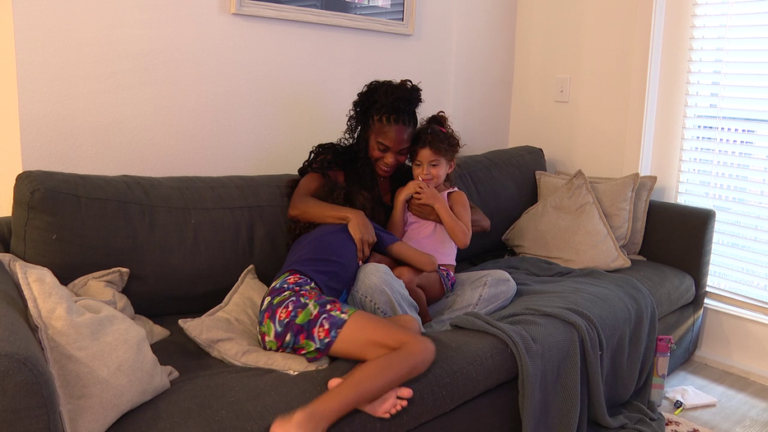
“You are a good mom, regardless of what your hormones have done to you,” Mitryk said. “You’ll be an even better mom if you are, like, open and honest enough with yourself to reach out and get that help that you need because your kids need you today, but also your kids need [you] 10 years down the line.”
Read more El Niño suppresses Atlantic storm formation as wind shear intensifies
The CDC said 1 in 8 women suffers from PPD.
About the Author