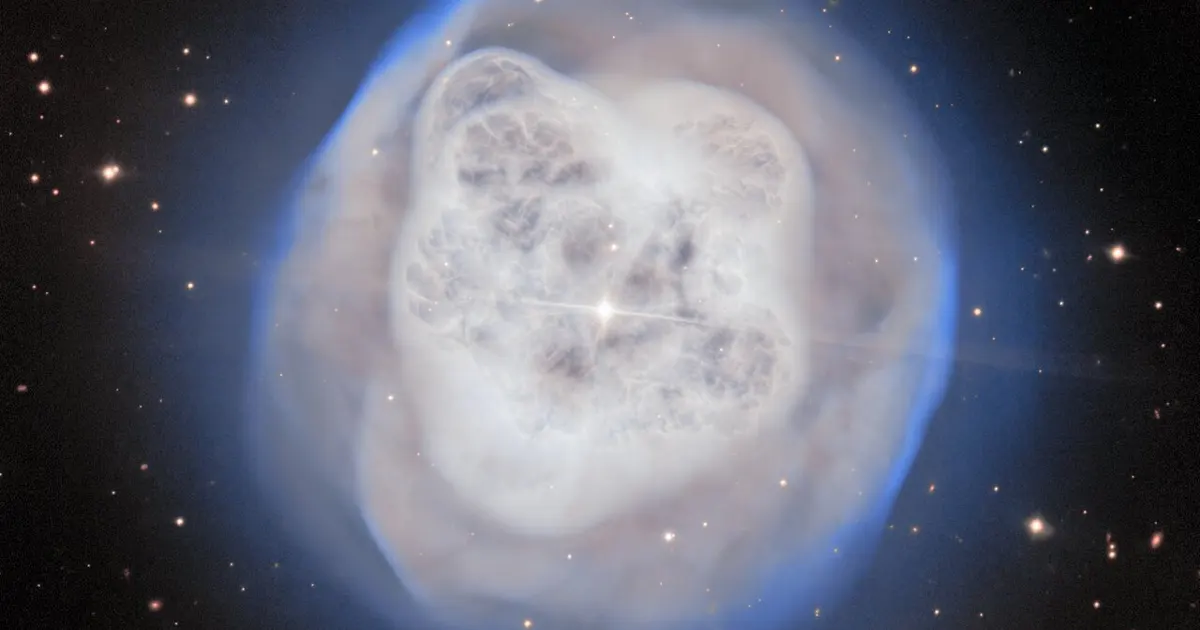
The 8.1-meter Gemini North telescope, located on the summit of Maunakea in Hawai‘i, has captured NGC 1514, nicknamed the Crystal Ball Nebula, in awe-inspiring detail. This nebula, with its mesmerizing glow of gas, harbors hints of a past stellar deat
Read more Tampa man accused of engaging in sexual activity with teen: HCSO
CAPE CANAVERAL, Fla. – A dying star has rarely appeared so beautiful.
The Gemini North Telescope, perched atop Mauna Kea — Hawaii’s highest peak — captured the star during its final stages. The National Science Foundation’s NOIRLab, which operates the telescope, released the image Thursday.
The object is actually a binary star system located about 1,500 light-years from Earth. It has earned the nickname Crystal Ball Nebula because of the milky-white spherical cloud surrounding it. One light-year equals nearly 6 trillion miles.
RELATED: Newly discovered asteroid will make very close pass by Earth: Here’s what to know
Read more Krispy Kreme deadline approaching, some people eligible for up to $3,500
The glowing cloud forms as a star nears the end of its life and casts off its outer layers of gas. Its exposed core then heats the surrounding material to tens of thousands of degrees, creating the nebula’s ghostly shine.
Researchers believe one of the two stars orbiting within the planetary nebula — once larger than our sun — is the one that died.
Gemini North observed the nebula, formally called NGC 1514, last year, and scientists completed the color image last week.
About the Author