TAMPA, Fla. – A silent heart condition nearly pushed a Tampa Bay area grandmother to the brink of a medical emergency, prompting doctors at Tampa General Hospital to spread awareness about a life-saving arterial screening.
Read more Fourth of July fireworks get green light in Florida despite widespread wildfire concerns
Tampa General Hospital warning
What we know:
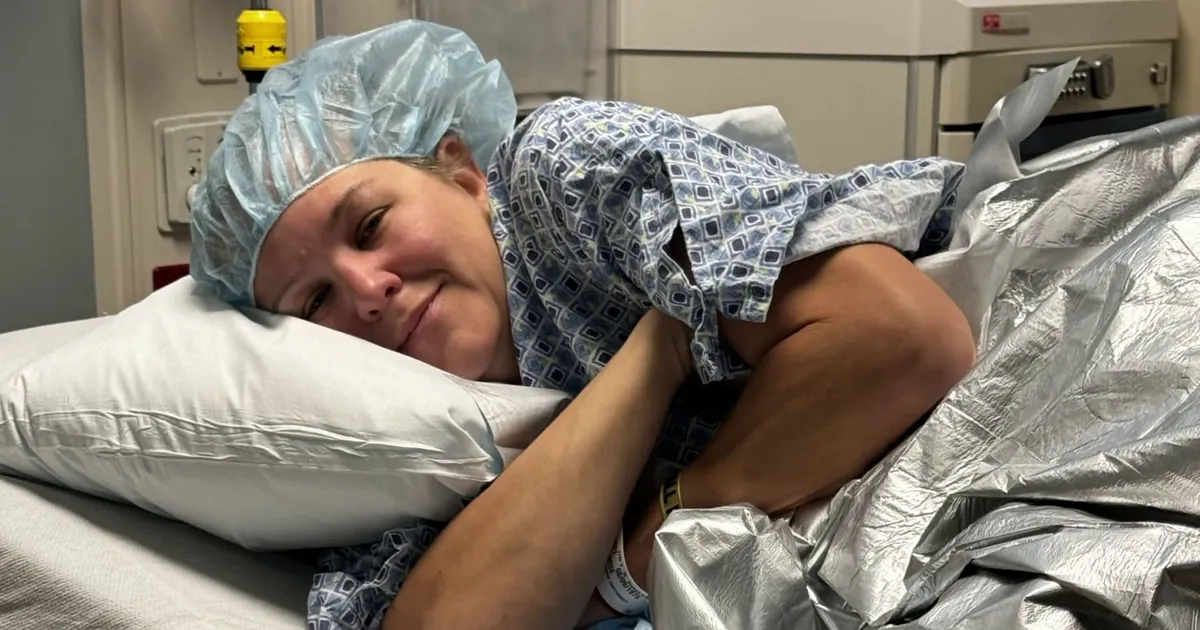
Amy Huyck, a grandmother living in Gibsonton, felt completely healthy while going about her daily routines. However, her family medical history prompted her aunt to urge her to get a cardiac score test.
Pictured: Amy Huyck.
The screening revealed Huyck had a calcium score of 491, which signifies severe and imminent danger. Doctors consider any score above 100 to be a sign of danger, meaning her buildup was nearly four times that threshold.
Blocked arteries discovered
Dig deeper:
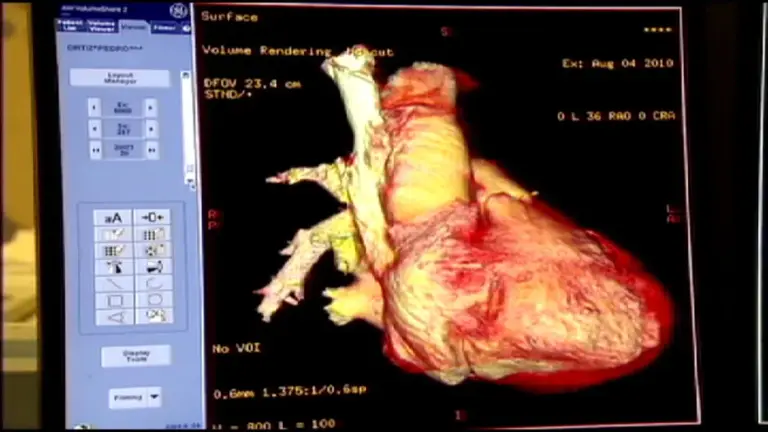
A calcium score functions like a CAT scan for the heart, measuring the exact amount of calcium buildup inside the arteries. While any score above zero indicates a form of buildup, a score over 400 means danger is severe.
Read more Plant City native Matt the Welder challenges Wilton Simpson in Florida agriculture commissioner race
Huyck underwent further testing at the hospital, where Dr. Lucian Lozonschi discovered four separate blockages of more than 70% in her arteries. Lozonschi compared the arterial blockages to “rust on pipes” but noted the test accurately predicts where the disease forms.
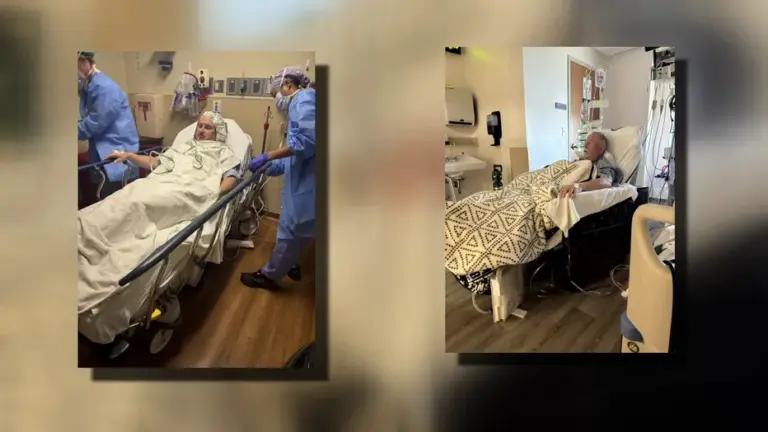
Pictured: Amy Huyck’s husband and father.
Life-saving heart surgery
What’s next:
Huyck underwent a successful quadruple bypass surgery and completely changed her diet and exercise routines to eliminate processed foods. After her recovery, she convinced her husband and father to get screened, and both required surgery as well.
Lozonschi operated on all three family members, marking a rare milestone in his medical practice. The cardiologist emphasized that the non-invasive test can cost less than $100 out of pocket, making it an affordable way to save lives.
Read more Manatee County under burn ban as hot weather increases wildfire dangers
About the Author