ST. PETERSBURG, Fla. – A coalition of St. Petersburg community groups launched a petition Wednesday to create a city-owned electric utility on the 2028 ballot following the expiration of Duke Energy’s franchise agreement.
Read more Doctors, experts issue updated advice on flu, COVID shots: What to know
St. Pete municipal electric utility petition
What we know:
Organizers gathered at Williams Park on Wednesday to kick off the “Public Power St. Pete” campaign for a municipal charter amendment. Advocates argue high electricity bills, predictable rate spikes and Duke Energy’s 92% reliance on fossil fuels require local grid control.
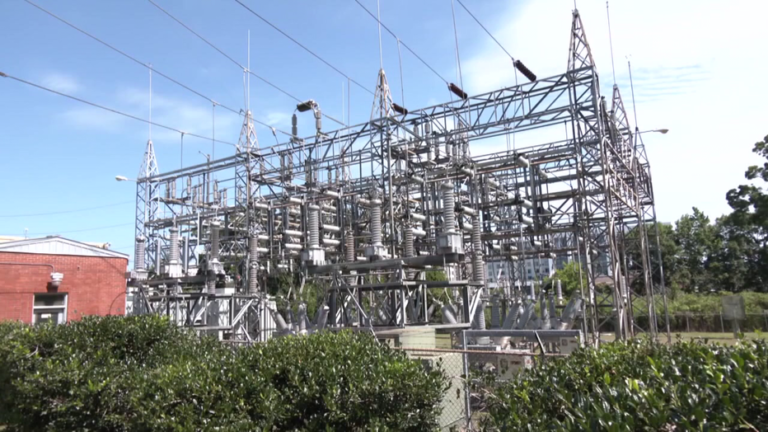
The city’s 30-year franchise agreement with Duke Energy expired July 31. Under that deal, St. Pete received more than $20 million annually in franchise fees, totaling over $600 million across the 30-year term to help fund police, fire and public services.
PREVIOUS: St. Pete rising power bills spark $590K feasibility study vote to leave Duke Energy, create city-run utility
St. Pete City Council member Richie Floyd and organizer Jason Scott argued that assessing options carries no risk and builds leverage for the city. Supporters noted a similar study in Clearwater showed a municipal utility could lower customer rates by 10% immediately and up to 20% over time.
Read more Florida to receive 5.7 million eggs in $3.3M settlement over producer price manipulation allegations
Municipal utility signature requirements
What we don’t know:
Organizers have not yet confirmed how many signatures they need to collect to officially place the charter amendment on the 2028 ballot.
City leaders have not announced a final decision on whether to renew the contract or attempt a takeover. City Hall hired an independent firm to conduct a feasibility study on creating a municipal utility, with official findings expected later this year.
Duke Energy response
The other side:
Duke Energy is pushing back against a potential government takeover, calling the effort irresponsible. A utility-commissioned study claims buying the local infrastructure would cost up to $4.1 billion, require 150 miles of new power lines and take nearly a decade to uncouple from the regional grid.
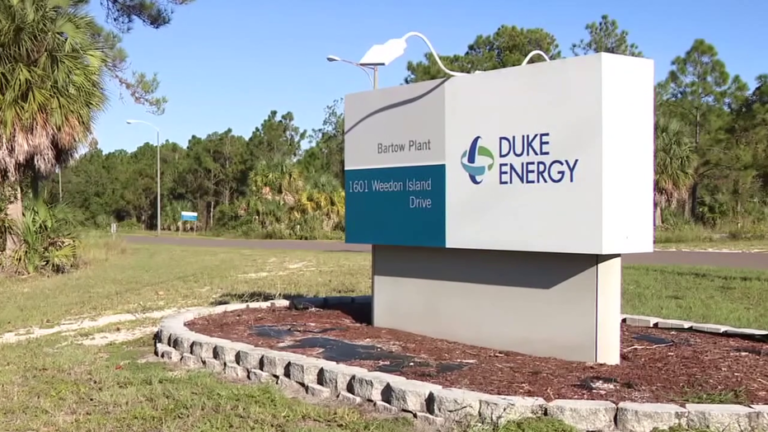
Company representatives warned that missing out on a renewed franchise agreement could force local tax increases or force cuts to public services. Duke Energy maintained that a renewed agreement provides immediate benefits alongside safe, reliable power.
Read more Teen dies from brain-eating amoeba just days after Louisiana child’s death
About the Author