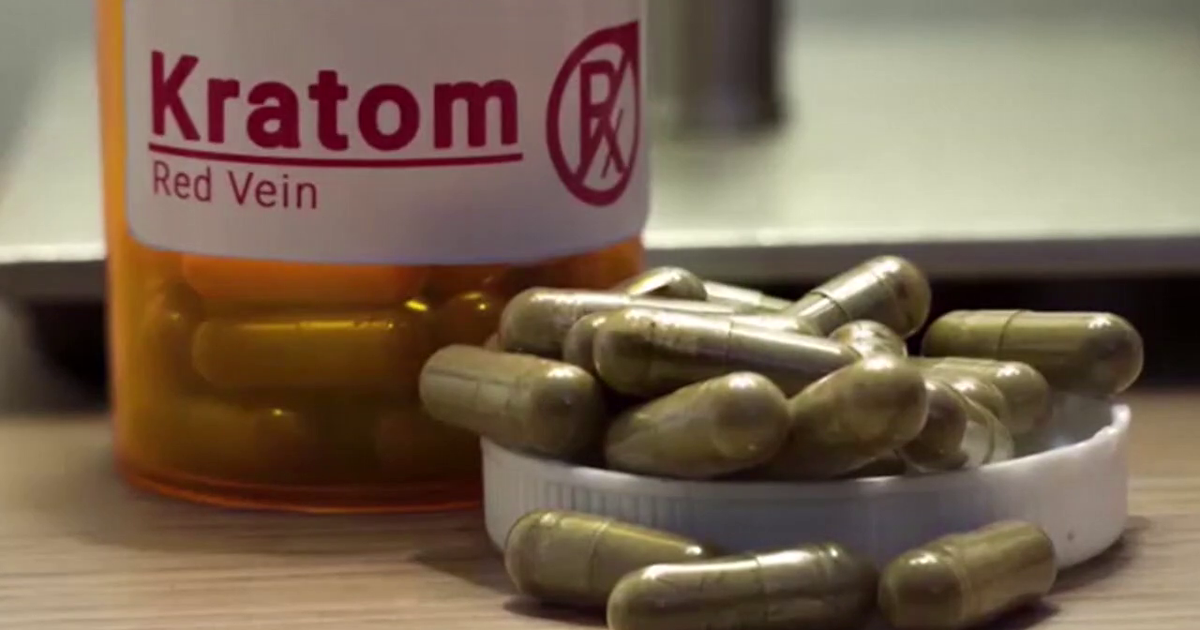
TAMPA, Fla. – In June 2025, Florida issued an emergency rule designating 7-hydroxymitragynine (7-OH) — a concentrated kratom derivative up to 13 times more potent than hospital morphine — as a Schedule I narcotic. Rather than halting sales, synthetic kratom producers altered their chemical formulas to evade the ban.
Read more School health tips: Johns Hopkins All Children Hospital experts share guidance
Florida synthetic kratom ban
What we know:
By synthesizing the plant’s active compounds slightly differently, chemists replaced 7-OH with an alternative derivative called MGM-15. Eleven months after the state banned 7-OH, Hernando County resident Michael Walker died from ingesting MGM-15 alongside smaller amounts of other synthetic kratom compounds, according to his medical examiner’s report.

Two weeks after the medical examiner signed Walker’s report, Florida officials extended the original emergency rule to explicitly cover MGM-15 and two other derivatives found in his toxicology screening.
Kratom addiction crisis
The backstory:
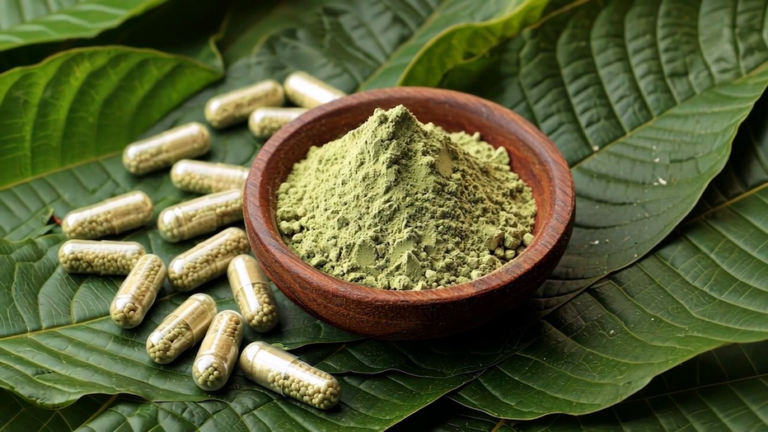
Natural kratom consists of ground tree leaves native to Southeast Asia, where it has long been used as a herbal supplement to manage pain, stress and anxiety. The current addiction crisis is driven by chemical synthesis, not the raw leaf itself.
In recent years, manufacturers have learned to isolate, synthesize and concentrate the most active alkaloid compounds from the kratom plant. These highly refined extracts are packaged into bright, candy-flavored gummies, pills and liquid shots sold in local convenience and vape shops. Because they bind directly to the brain’s mu-opioid receptors, these synthetic derivatives trigger severe dependency and acute withdrawal symptoms that mirror traditional prescription opioids.
Kratom poison control statistics
By the numbers:
- 14,000+: Total calls received by U.S. Poison Control Centers regarding kratom over the past 11 years.
- 3,434: The number of kratom-related reports received by Poison Control in 2025, up from just 258 in 2015.
- 13x: How much more potent the derivative 7-OH is compared to standard hospital morphine.
FDA synthetic opioids warning
What they’re saying:
Medical professionals and federal regulators warn that synthetic kratom must be treated with the same urgency as synthetic prescription opioids.
“7-OH binds to the mu-receptor, which means scientifically, by definition, it is an opioid… It is scientifically meeting criteria of an opioid and yet you can go in a vape shop on any corner and buy it like a cup of coffee. We have to be proximate to this. We got burned with fentanyl and prescription drugs; we cannot be behind the 8 ball again,” FDA Commissioner Dr. Marty Makary said.
Read more The death of game discs? Sony sets 2028 end date
“I was giving her enormous doses of Suboxone to try and get her out of withdrawal, and she was in bed for three days trying to come out of this. It was horrific,” Dr. Kurt Devine, an addiction physician, said.
“The reality is evildoers will try to skirt the system. They will try to dodge, deviate and come up with new ways to profit over public safety,” Florida Attorney General James Uthmeier said.
“You can take it today and be in withdrawal tomorrow… I’m a forgiving person. But I’m going to hold people accountable. And they are going to be held accountable,” Javohn Brown, aunt of Michael Walker, said.
Federal kratom scheduling timeline
What’s next:
The federal government is currently taking steps toward a nationwide ban on synthetic kratom compounds, though the timeline for federal scheduling remains unclear.
In the meantime, lawmakers and families are scrutinizing industry packaging regulations. Many synthetic kratom products lack clear ingredient lists or conceal dosage limits — such as recommending only a fraction of a pill every 48 hours — in fine print. Manufacturers routinely rely on broad packaging disclaimers stating that the consumer assumes full legal and physical responsibility for any adverse health effects.
Read more Mahjong Tampa Bay: Centuries-old tile game gains popularity across local spots
About the Author